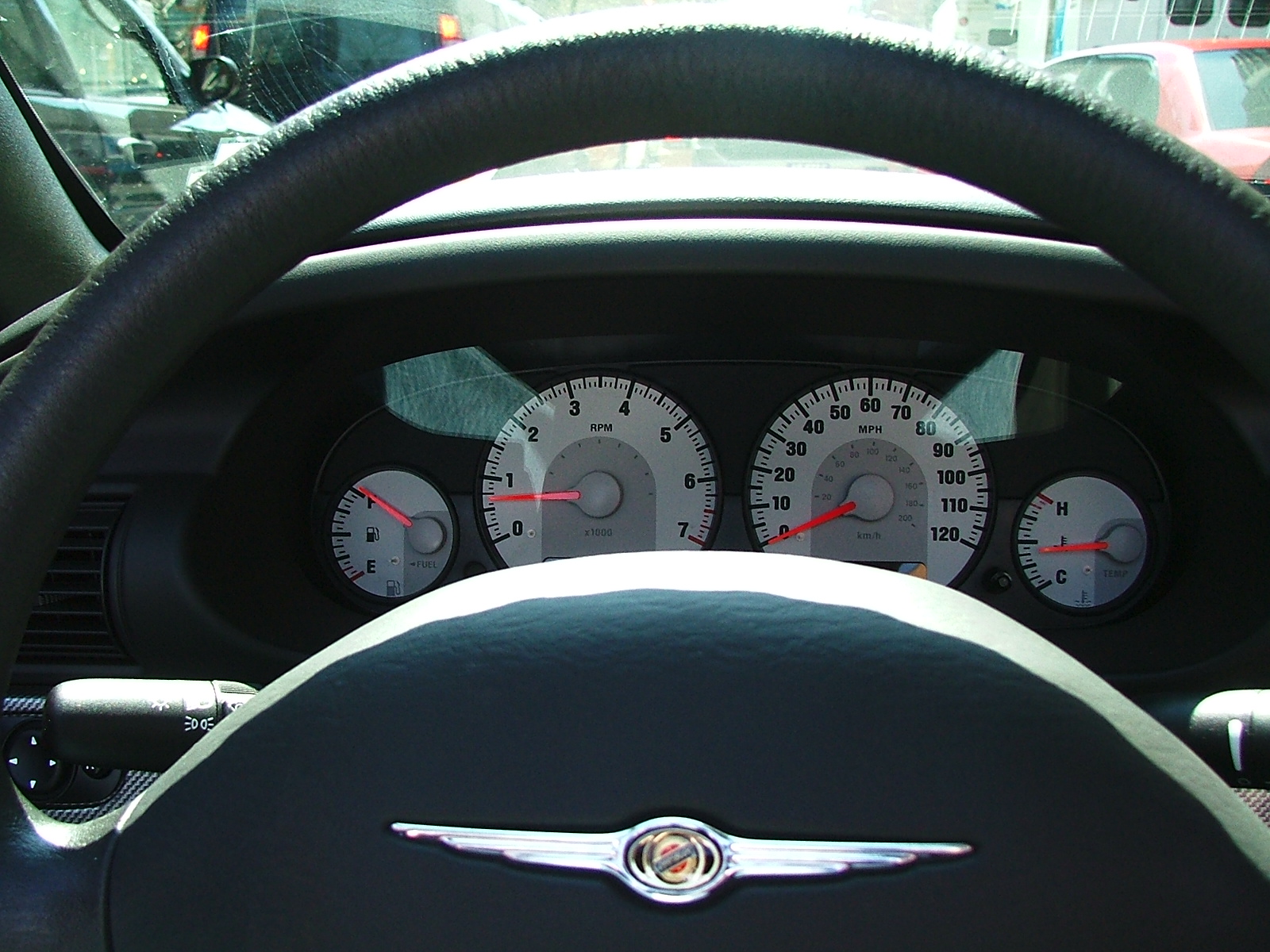
Safe driving involves obeying speed limits, avoiding distractions, wearing seatbelts, and adjusting to conditions. Key practices include maintaining a safe following distance, scanning for hazards, and ensuring you are fit to drive. Key, actionable tips to reduce crash risks include planning routes, avoiding alcohol/drugs, and using proper child seats
 NSW Rural Fire Service
Key Safe Driving Practices
- Speed Management: Adhere to speed limits and reduce speed in adverse weather (rain, fog).
- Avoid Distractions: Keep eyes on the road and hands on the wheel; avoid mobile phones, eating, or adjusting entertainment systems while moving.
- Follow Distance: Maintain a safe gap between you and the car in front to allow for sudden braking.
- Check Surroundings: Actively scan for hazards and potential risks.
- Use Safety Gear: Always wear seatbelts and ensure children are in appropriate restraints.
- Plan Ahead: Check weather conditions and allow for extra travel time.
 NSW Government
Defensive Driving Techniques
- Handling Skids: If the car skids, ease off the gas pedal and steer in the direction of the skid, do not slam on the brakes.
- Weather Adjustments: Slow down on wet or slippery roads, and increase following distance.
- Vehicle Maintenance: Regularly check brakes, tires, and lights.
NSW Rural Fire Service
For learners in NSW, taking a Safe Driver Course can improve hazard awareness and provide logbook credit.
NSW Government